
Passions & Communities
Identify the global communities whose devotion a destination can genuinely serve, and understand how they gather, learn and decide where to go.





Nature & Science
Dark-Sky Stargazing
Travellers who choose a destination by its Bortle rating, not its beaches.
A global movement
Destinations have spent fifty years competing for arrivals. The travellers who spend more, stay longer, return and advocate are not chasing a country. They are chasing what they love.
What is Passion-Tourism
Not demographics. Not personas. Passions.
A birder will travel ten thousand kilometres for one endemic species. A diver plans a whole year around a single season. A Muay Thai practitioner trains for weeks where the lineage actually lives. These travellers research for months, book early, spend deeply with local specialists, and come back.
Overtourism is straining the places that won the volume race, while community benefit and margins stay thin. At the same time, generic travel content is being commoditised by AI. What cannot be commoditised is a destination that genuinely stands for something specific, and the devoted communities that recognise it.
The four dimensions
Identify the global communities whose devotion a destination can genuinely serve, and understand how they gather, learn and decide where to go.
Design experiences with the depth those communities expect, connected into journeys that move visitors across regions and seasons.
Structure the local economy so that spend is retained by communities, operators and custodians rather than leaking out of the destination.
Measure devotion, retained value and advocacy instead of arrivals, and use the evidence to steer investment and policy.
How it transforms destinations
Passion-Tourism spreads demand across seasons and regions, raises the value of each visit, and puts spend directly in the hands of the guides, makers, custodians and operators who hold the knowledge. It turns visitors into advocates and destinations into subjects people study for life.
In practice
RwandaRwanda doubled its gorilla permit to USD 1,500 and everyone predicted empty slots. Permits sell out months ahead, and the revenue funds anti-poaching patrols and community projects.
Read the case study Thailand
Seventy-two passion routes across the country, from Muay Thai pilgrimages to temple architecture trails, moving visitors out of Bangkok and into the communities that need them.
Read the case study Singapore
A national brand built on the idea that Singapore is where passionate people come to do what they love. Not a slogan, a strategy that reorganised how the destination is marketed.
Read the case study Atacama Desert, Chile
The clearest skies on earth turned into a high-yield, low-season-proof visitor economy served by observatories, astro-lodges and specialist guides.
Read the case study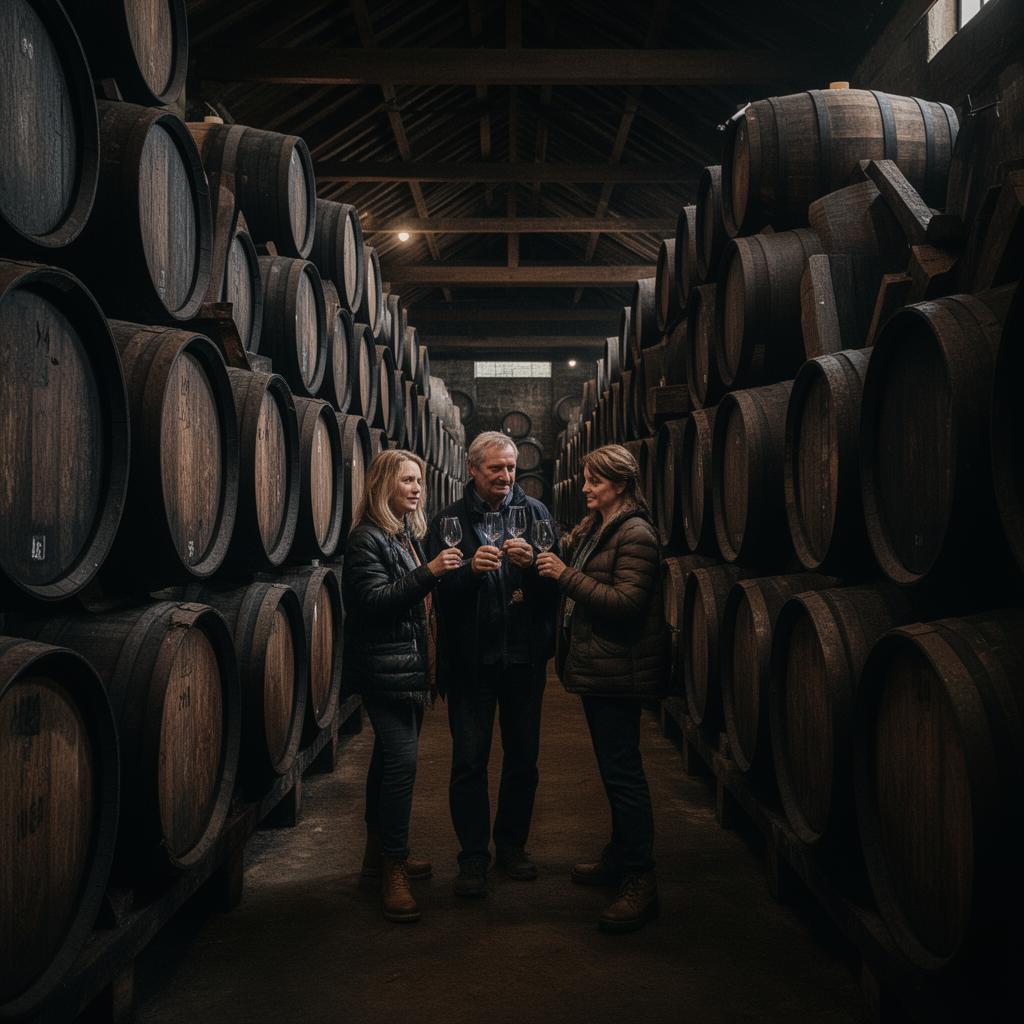 Scotland
Distillery provenance converted into a year-round travel motive, with regional identities that visitors learn, debate and return for.
Read the case study Costa Rica, Colombia, Rwanda, Borneo
A global community organised around species lists and reserve networks, and the four destinations that built infrastructure specifically to serve it.
Read the case studyFull library at destinspire.com/case-studies
Passion-Tourism Atlas
Dark-Sky Stargazing
Ornithology & Birding
Great Ape Encounters
Wreck & Reef Diving
Muay Thai Pilgrimage
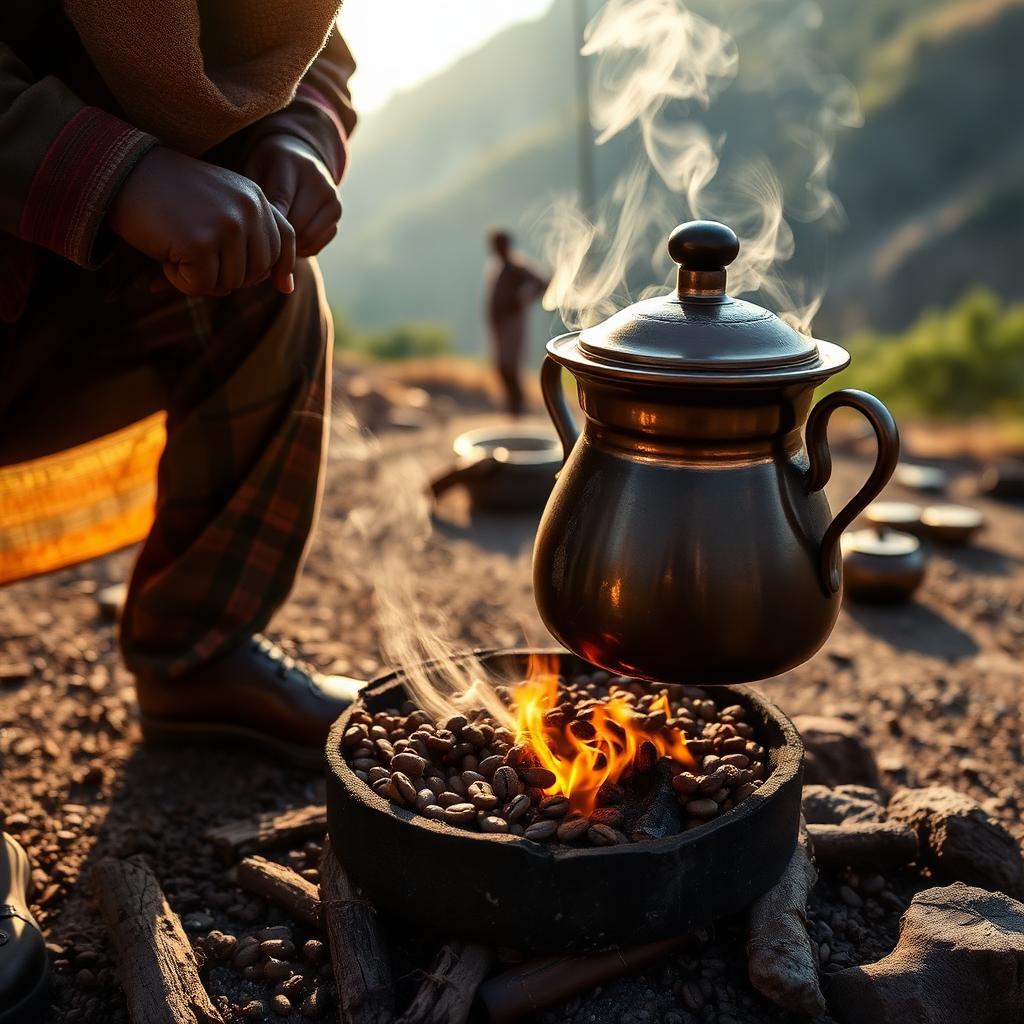
Coffee Origin Heritage
Astrophotography
Whisky Heritage

Eagle Hunting & Nomadic Culture

Living Heritage & Craft Cities

Surf Heritage
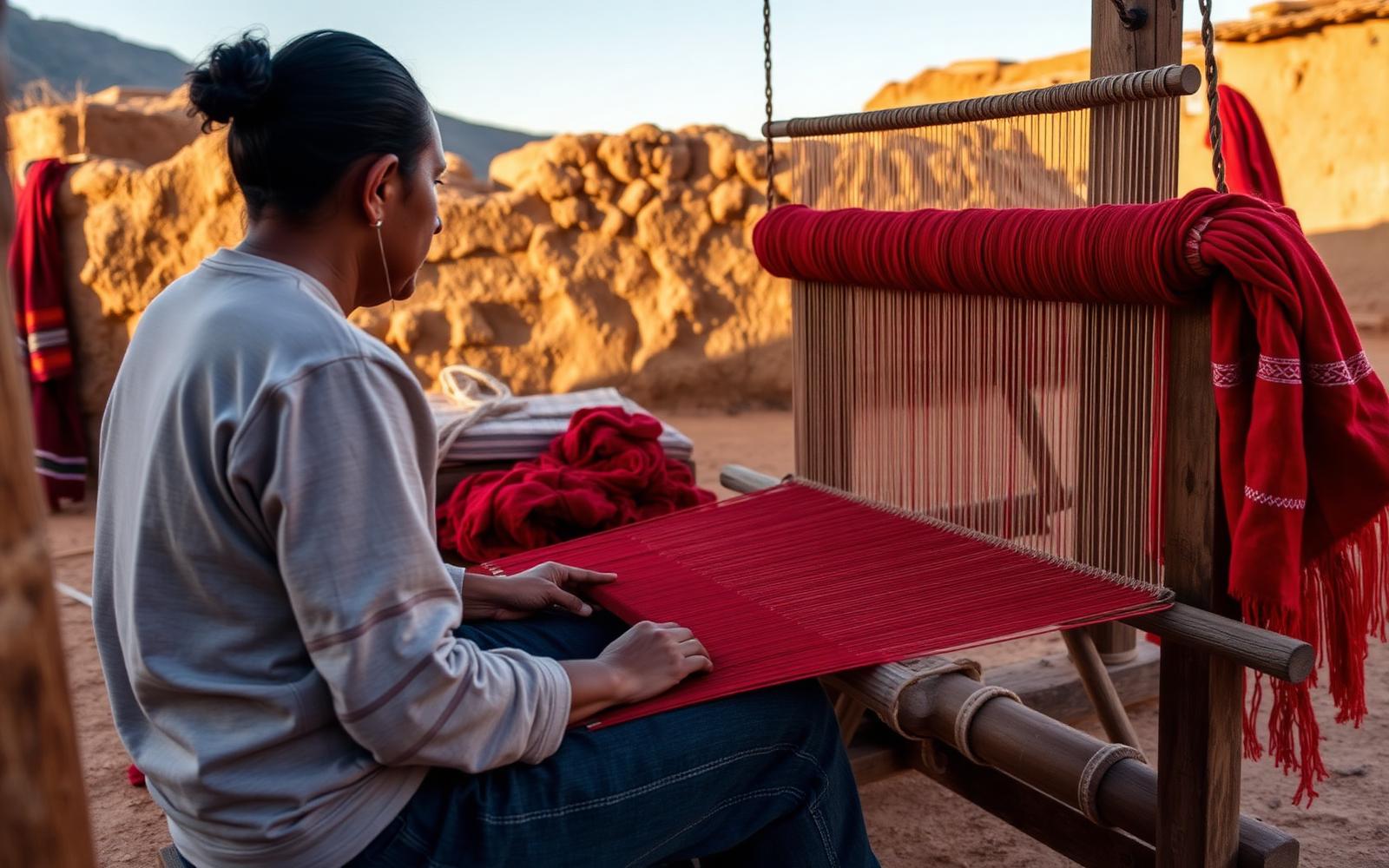
Textile & Weaving Traditions
Tools of the movement
Measure what arrivals cannot show
A scoring framework that assesses how clearly a destination stands for something, how well it serves devoted communities, and how much value stays local. It gives ministries and boards a defensible alternative to arrival counts.
VisitThe argument, the evidence, the playbook
The book series that sets out the economics of devotion: why passionate travellers spend more, stay longer and return, documented through field case studies and frameworks such as SOAR that destinations can apply directly.
VisitSearch by passion, not by place
Most travel search starts with a country. PassionExplorer reverses the sequence: a traveller starts with what they are devoted to, and the platform surfaces the destinations that genuinely support it, then builds a day-by-day trip plan around it.
VisitYour destination, your passion clusters
Destinations can run their own branded version of the platform, built around the passion clusters they genuinely support rather than a generic list of everything on offer. The Thailand edition is the live demonstration.
VisitA global movement
Ministers, tourism board CEOs, airline founders, hoteliers, professors, community leaders and operators across five continents are saying the same thing in different words: the arrival count is the wrong number. Passion-Tourism gives that shared conviction a name, a framework and a body of evidence.
“Jamaica has never been a place people visit passively. Music brought reggae to the world, and visitors still come specifically to trace it, from Trench Town to the studios where it was recorded.”
The story within the symbol
A fruit named for devotion itself.
The mark

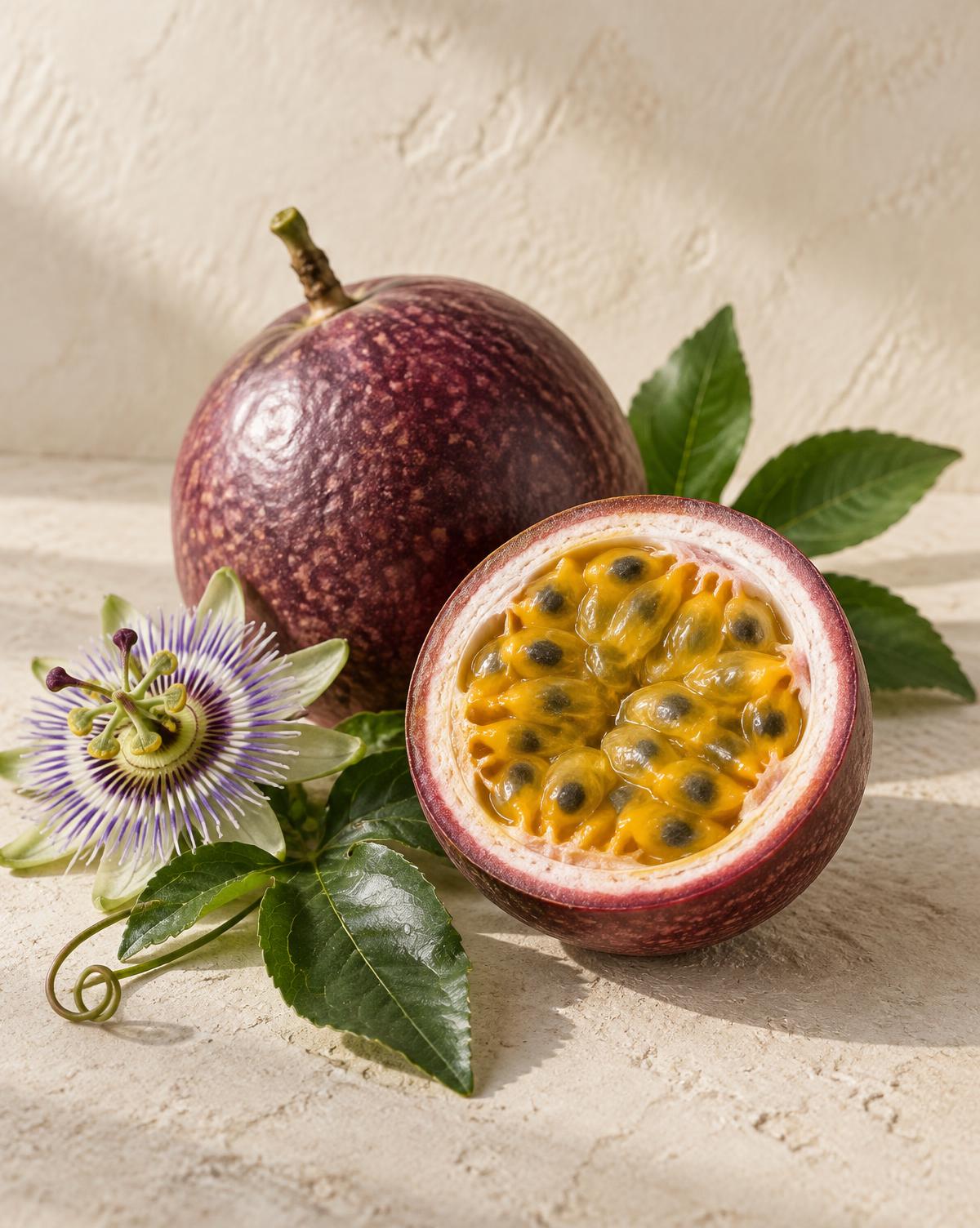
The passionfruit—also called purple granadilla or maracuja—is not a metaphor stretched to fit. Spanish missionaries called it fruta de la pasión because its flower’s structure reminded them of the Passion of Christ: the crown, the nails, the wounds, all read into the bloom by people who already carried that story with them.
The same object means something entirely different depending on what the viewer already cares about.
That is the whole argument of this book in miniature. A passionfruit also grows nowhere near as widely as its name would suggest, and where it does grow, the people who seek it out are specific. They know the difference between a fruit picked underripe and one left to wrinkle and darken into its actual flavour. They will drive past a supermarket stocked with smooth, uniform imports to find the one grower who lets it ripen properly.
Passion travelers are devoted communities, not mass markets, choosing depth over convenience.
Two strategic metaphors
A common language across borders
Just as passionfruit is universally bound by its distinct flavour but called entirely different names regionally, passion travellers are bound by shared interests rather than geographic origins. Culinary travellers, birders or textile purists speak a unified subculture language globally—making each a cohesive, predictable community to serve.
One fruit, twelve names, no borders—Passiflora edulis answers to all of them.
Depth over volume
The Chinese name for passionfruit, Bǎixiāng guǒ (百香果), translates literally to “hundred-flavor fruit” because its complex aroma evokes banana, pineapple, mango and citrus. It mirrors a high-yield tourism experience: rich, layered and rewarding to those who go deeper.
Traditional volume
One mass-market flavour
A standard sun, sand and sea proposition designed to suit everyone.
Passion-Tourism
A layered experience ecosystem
Soil chemistry, ingredient migration, an Indigenous chef’s masterclass and an agricultural pairing—a true hundred-flavor itinerary.
Let’s work together to develop a high-yield tourism strategy that attracts passionate travelers and creates meaningful value.